Toothbrush

Is Nighttime Milk or Juice Hurting Your Toddler’s Teeth?

February 27th, 2026

A bedtime bottle or sippy cup may be part of your child’s nightly routine—but if it contains milk or juice, it could be silently damaging their teeth.

This condition is known as baby bottle tooth decay, and it happens when sugary liquids sit on teeth overnight. Even natural sugars in milk or 100% juice can feed cavity-causing bacteria, especially when the child falls asleep without brushing afterward.

Warning Signs of Trouble

  • Brown or white spots on the teeth
  • Sensitivity to temperature or sweets
  • Fussiness while eating
  • Early tooth loss

Better Bedtime Habits

  • Offer only plain water in bottles or sippy cups at bedtime.
  • Brush and floss after the last feeding, even if it’s milk.
  • Gradually wean off nighttime bottles, or dilute milk with water to ease the transition.
  • Avoid “comfort feeding” overnight unless medically advised.

We know the bedtime routine can be tough to change, but protecting your child’s smile is worth it. If you’re not sure how to start the transition, we can help guide you at your next visit.

Remember: healthy habits today build strong, confident smiles for tomorrow!

Is My Child Ready for Their First Dental X-Ray?

January 30th, 2026

As a parent, you want to do everything you can to support your child’s health—including their smile! One common question we hear at Huntington Smiles is: “When should my child get their first dental X-ray?” It’s a great question, and one that depends on a few factors.

What Do Dental X-Rays Show?

Dental X-rays help us see what’s happening below the surface of your child’s teeth and gums. This includes:

  • How adult teeth are developing under baby teeth
  • Whether there’s enough space for incoming teeth
  • Early signs of tooth decay, infection, or bone issues
  • Abnormalities that can’t be seen in a regular exam

They’re an essential part of preventive care, especially in growing smiles.

When Are They First Needed?

Most kids will have their first dental X-rays taken between ages 4 and 6. However, we may recommend them earlier if your child:

  • Has signs of tooth decay
  • Lost baby teeth earlier than expected
  • Has crowding or alignment concerns
  • Is experiencing tooth pain with no visible cause

Every child is different, and we make personalized decisions based on their dental development and health history.

Are X-Rays Safe for Children?

Yes! Dental X-rays are extremely safe—especially today. At Huntington Smiles, we use digital X-rays, which expose your child to far less radiation than traditional methods. We also take every precaution, including protective aprons and minimizing the number of images taken.

Final Thought

X-rays help us catch small issues before they become big ones, and they give us a clearer picture of your child’s smile as it grows. If you’re ever unsure, we’re happy to explain when and why an X-ray might be recommended.

Ready for your child’s next check-up? Book an appointment with Huntington Smiles and we’ll walk you through every step of the journey—X-rays included!

Why Baby Teeth Matter: Don’t Wait to Start Dental Visits

January 23rd, 2026

Many parents assume that baby teeth aren’t that important—after all, they fall out eventually, right? But those tiny teeth play a big role in your child’s health, development, and future smile. At Huntington Smiles, we believe that caring for baby teeth sets the foundation for a lifetime of good oral habits.

What Makes Baby Teeth So Important?

  1. They Hold Space for Adult Teeth
    Baby teeth guide permanent teeth into place. Losing them too early can lead to misalignment or crowding later.
  2. They’re Essential for Eating and Speaking
    Strong baby teeth help children chew properly and learn to speak clearly during key developmental years.
  3. They Reflect Overall Health
    Cavities in baby teeth can lead to pain, infection, or difficulty sleeping—affecting your child’s health and mood.
  4. They Build Dental Confidence
    Positive early experiences at the dentist can reduce anxiety and build lifelong comfort with dental care.

When Should the First Dental Visit Be?

The American Academy of Pediatric Dentistry recommends that your child visit the dentist by age 1 or within 6 months of the first tooth. This visit helps us monitor growth, catch issues early, and show you how to care for those little teeth at home.

Final Thought

Don’t wait until there’s a problem to visit the dentist. Baby teeth matter more than most people think—and we’re here to help keep them healthy, happy, and strong from the very first smile.

Schedule your child’s next appointment with Huntington Smiles today!

New Year, New Smile: Dental Resolutions for Kids (and Parents!)

January 9th, 2026

As the New Year approaches, it's the perfect time for families to set fun, healthy habits—and your dental routine is a great place to start! Here at Huntington Smiles, we believe resolutions don’t need to be big to make a big impact. With just a few small changes, your child’s smile can shine even brighter in the year ahead.

Kid-Friendly Dental Resolutions to Try in 2026:

  1. Brush Twice, Every Day
    Make brushing after breakfast and before bed a family tradition. Use a two-minute timer to make it fun!
  2. Try a Brushing Chart
    Track progress with stickers or a reward system to keep little ones motivated.
  3. Floss Once a Day
    It’s never too early to start! For younger kids, floss picks can help build the habit.
  4. Swap Sugary Snacks
    Replace sticky, sugary treats with smile-friendly options like crunchy fruits, cheese sticks, or nuts (if age-appropriate).
  5. Drink More Water
    Water helps rinse away bacteria and supports overall health—plus, it’s better than juice or soda!
  6. Visit the Dentist
    If you haven’t already, schedule your child’s first checkup of the year! Regular cleanings keep cavities at bay.

Final Thoughts

Dental resolutions help build lifelong habits—and when the whole family participates, it’s even more fun. Ready to start the year off with a healthy, happy smile? Huntington Smiles is here to support you every step of the way.

Book your 2026 dental visit today!

The Year-End Dental Checkup: Why December Is the Perfect Time to Schedule

December 12th, 2025

As the year winds down and holiday plans fill up your calendar, it’s easy to push dental visits to "after the holidays." But here’s why December might actually be the best time to schedule your child’s checkup at Huntington Smiles.

1. Use Up Remaining Insurance Benefits
Many dental insurance plans reset in January. If you haven’t used your benefits for cleanings, fluoride, or sealants, December is your last chance before they expire.

2. School Breaks = More Flexibility
Winter break gives you more freedom to book appointments without worrying about early mornings or missed class time.

3. Catch Issues Before the New Year
A quick exam before the year ends means we can catch small issues (like cavities or early alignment concerns) before they become bigger in the new year.

4. A Clean Start for 2025
There’s something satisfying about sending your child into the new year with a fresh, healthy smile. It's one less thing to worry about in January.

5. Set a Healthy Tone During a Treat-Heavy Season
December brings lots of sugar. A cleaning helps remove buildup and reinforces good habits during the most cavity-prone time of year.

Whether you’re staying local or traveling this season, booking your child’s dental checkup in December is a simple way to finish the year strong. Call Huntington Smiles today to grab one of our final appointment spots of 2024!

Traveling for the Holidays? 6 Tips to Keep Kids' Dental Routines on Track

December 5th, 2025

The holidays are full of excitement, travel, and special treats. But in the flurry of packing and planning, one thing often slips through the cracks: kids' oral care routines. Between road trips, late bedtimes, and unfamiliar bathrooms, it's easy for brushing and flossing to take a back seat.

At Huntington Smiles, we know a few days off can undo months of progress. That’s why we’ve created this parent-friendly guide to keep dental routines strong no matter where the holidays take you.

1. Pack a Travel-Friendly Dental Kit
Include a child-sized toothbrush, fluoride toothpaste, floss picks, and a small rinsing cup. Don’t forget orthodontic wax for kids with braces and a backup brush just in case.

2. Make It Easy and Visible
Set up a designated space for dental supplies as soon as you arrive. A colorful travel case or toiletry bag makes it easier for kids to stay consistent.

3. Stick to the Schedule (As Best You Can)
Try to keep brushing times similar to your routine at home: after breakfast and before bed. Even if bedtime is late, a quick brush is better than skipping.

4. Brush as a Family
Turn it into a group activity. Brushing together can keep kids engaged and make it feel like part of the holiday fun.

5. Watch the Snacks and Sips
With more sweets and grazing, rinsing with water after snacks is key. Encourage kids to finish drinks (especially juice or hot cocoa) in one sitting rather than sipping all day.

6. Don’t Stress Perfection
Some days will be more off than others. The goal is consistency, not perfection. Remind your child that their healthy smile is a year-round gift!

Traveling doesn’t have to mean giving up good habits. With just a little planning, you can keep those tiny teeth in great shape no matter where you celebrate.

Dental Myths, Busted: Halloween Edition

October 31st, 2025

Let’s clear up some spooky dental myths this October! ?

Myth #1: Baby teeth don’t matter.
False! Baby teeth help with speech, chewing, and guiding adult teeth into place. Cavities in baby teeth can lead to pain, infection, and problems with permanent teeth.

Myth #2: Sugar-free candy is safe.
Not always! Many sugar-free treats contain acidic ingredients that can still wear down enamel. Plus, xylitol is safe for humans but toxic to pets.

Myth #3: Kids don’t need flossing.
Yes, they do! As soon as two teeth touch, flossing is essential to remove plaque between teeth.

Myth #4: Brushing harder = cleaner teeth.
Nope. Gentle brushing with a soft-bristled brush is best. Too much pressure can damage enamel and gums.

Myth #5: Dental visits aren’t needed until school age.
The American Academy of Pediatric Dentistry recommends a first visit by age 1 or when the first tooth appears.

Don’t let myths haunt your child’s smile! If you’re ever unsure, we’re just a call away. ??

4 Ways to Make Toothbrushing a Part of Your Child’s Fall Routine

November 8th, 2024

As the days get shorter and the weather turns crisp, fall is a great time to establish cozy routines with your kids. Adding toothbrushing to their daily schedule can be a fun part of these seasonal rituals! Here are some engaging ways to make brushing part of your child's fall routine so that it feels more like an adventure and less like a chore.


1. Brush Along to a Fall Timer

Kids sometimes struggle to brush for the full two minutes, so try using a seasonal timer to make it easier and more fun! A two-minute sand timer shaped like a pumpkin or fall leaf can add a playful, festive vibe to brushing time. Or, if you prefer, play a fall-themed song that lasts two minutes to keep them engaged. Songs like “Monster Mash” or a short clip from “The Addams Family” theme song can make brushing feel like part of a cozy autumn celebration. This way, they’ll be entertained while brushing for the right amount of time.

2. Choose a Festive Toothbrush

Another easy way to get kids excited about brushing is by letting them pick out a toothbrush with a fall design. Many toothbrushes come in autumn colors or even feature seasonal characters like pumpkins, acorns, or friendly ghosts. Choose a toothbrush that matches the season, and let them feel part of the process! Look for fun colors like orange, brown, or even deep purple to add a fall touch, and opt for a toothbrush with soft bristles that will still be gentle on their gums. Making this simple swap can bring a fresh sense of excitement each time they reach for their toothbrush.

3. Create a Reward Chart

Kids love seeing their progress, so why not add a reward chart that ties in with their fall brushing routine? Create a small chart on the bathroom wall or on the fridge where they can add a sticker each time they complete their morning and evening brushing sessions. To keep with the seasonal theme, use fall-inspired stickers like leaves, pumpkins, or apples. Once they hit a certain number of stickers—say, ten or twenty—you could offer a small reward, like a fall-themed treat, a visit to a pumpkin patch, or an apple cider break. Reward charts can be a simple yet effective way to encourage consistency.

4. Incorporate a Story Time

Bedtime routines often include a story, so why not tie that into brushing time? After they finish brushing, read a short fall-themed story to make the evening feel cozier and brushing something they look forward to. Stories about autumn adventures, friendly forest animals, or Halloween tales can be engaging for kids. You could even make up your own short story that includes their toothbrush as a character, making brushing feel like a magical, storybook adventure. This added step can make toothbrushing part of a calming bedtime ritual that kids enjoy.


Adding these seasonal touches can help make toothbrushing feel like a fun, memorable part of your child’s day. By turning it into a fall-themed activity, you’re reinforcing healthy habits while making family routines cozier and more enjoyable. So, gather your timers, stickers, and seasonal toothbrushes, and let brushing become a small celebration within your child’s fall routine!

Choosing a Toothbrush

July 26th, 2024

With so many different kinds of toothbrushes around, choosing the right toothbrush for you may seem like a difficult decision. However, we got your back. Here’s your guide for choosing a toothbrush for your kid!

Manual/Electric

Most professionals do not have a recommendation on whether manual or electric is better for the average patient. As long as you spend two minutes twice a day brushing, this aspect of your toothbrush doesn’t make a huge difference. However, if your dentist says you need to do a better job at brushing, need help timing your brushing, have limited manual dexterity, or tend to brush too vigorously, an electric toothbrush may be for you.

Bristles

Soft bristles are best for your gums and enamel. They are also best at removing plaque and debris from your teeth. Unless you have a dentist recommendation, stick with softer bristles.

Size

You can pick whatever brush handle size you prefer, but when it comes to the head of the toothbrush, opt for a smaller-headed toothbrush. This will make it easier to reach the spots in the back of your mouth. 

Personalize it!

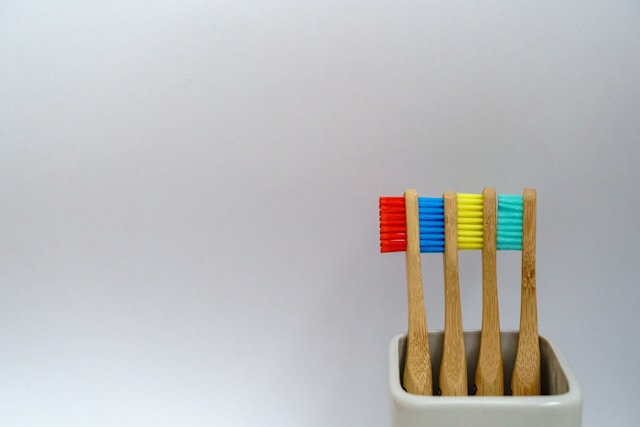
The most fun part about picking out a toothbrush is making it yours. Whether it be themed with characters from your favorite show, or simply your favorite color, personalizing your toothbrush can make you want to brush more.

Make sure to also change out your toothbrush whenever you start noticing wear-and-tear on the head of it, or after three months. 

Have more questions about choosing the perfect toothbrush? Click here to visit our website and contact one of our dentists for more information!

When Should you Replace your Toothbrush?

March 22nd, 2024

Do you remember the last time you replaced your toothbrush? Dental hygiene doesn’t get nearly as much attention when it comes to tools for dental care. We remember to throw away old makeup sponges, but toothbrushes are just as important to replace. 

So, when does that line start and what determines if a toothbrush is still usable?

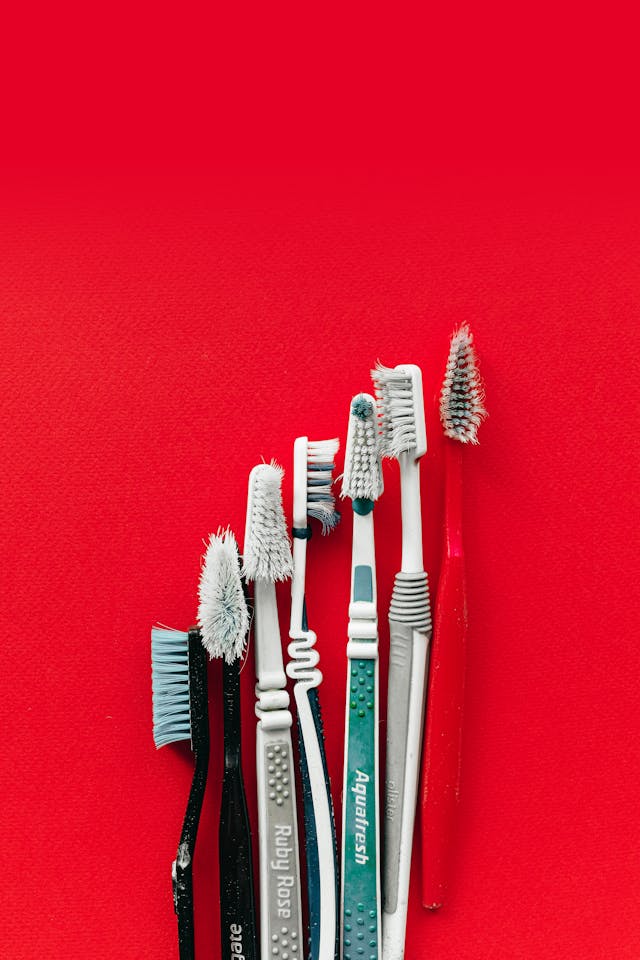
Most dentists recommend changing your toothbrush every 3 months. If you see that the bristles on your toothbrush are breaking down, it might be time to switch it out. As bristles break down, they become less effective at removing plaque.

 Germs can also build up in your toothbrush, so make sure to change it after you recover from a sickness. To reduce the spread of germs onto your toothbrush, keep the head covered when traveling. Make sure to rinse it and dry it properly too.

If you don’t change your toothbrush, you run the risk of it accumulating fungi and bacteria that may infect your gums, leading to gingivitis. The toothbrush can also grow mold, and you can get sick from using an overused toothbrush. 

So, if you don’t remember when you last changed your toothbrush, this is your chance to throw it out and get a new one. We also recommend considering an electric toothbrush and to personalize your dental hygiene tools to your teeth needs. Talk to your dentist to figure out what works best for you.

Need dental advice? Huntington Smiles is here to help. Check out our website to learn more about our services.

Contact Us!