
flossing

Why Does My Child Have White Spots on Their Teeth?

September 18th, 2026

Noticing white spots on your child’s teeth can be surprising, especially if their brushing routine is consistent. Many parents wonder if these spots are stains, a sign of a problem, or something that needs treatment.

White spots on teeth are fairly common in children and can happen for several reasons. Some are harmless changes in enamel development, while others may need closer monitoring from a dentist.


What Do White Spots on Teeth Look Like?

White spots can appear in different ways depending on the cause. They may look like:

  • Small white patches on the surface of teeth
  • Chalky or cloudy areas
  • White lines or streaks
  • Areas that look lighter than the rest of the tooth

They can appear on baby teeth, permanent teeth, or both.

Because different conditions can look similar, a dental exam is the best way to determine what is causing the change.


Common Causes of White Spots on Teeth

Enamel development changes

Sometimes white spots form while teeth are still developing under the gums. These areas may have differences in enamel thickness or mineral content, causing parts of the tooth to appear lighter.

These spots may be noticeable as soon as a tooth comes in and do not always indicate a dental problem.

Early enamel weakening

White spots can sometimes be an early sign that enamel is losing minerals. This can happen when bacteria and acids affect the surface of the tooth.

When caught early, dentists can recommend preventive steps to help protect the tooth.

Fluorosis

Dental fluorosis can occur when children are exposed to more fluoride than needed while their permanent teeth are developing. It may appear as faint white lines, streaks, or patches.

In mild cases, fluorosis is usually only a cosmetic concern and does not affect the strength of the teeth.

Plaque buildup

When plaque remains on teeth, it can sometimes make areas look lighter or uneven in color. This is especially common around the gumline or areas that are harder to brush.

Consistent brushing and flossing help remove plaque and keep teeth looking their best.


Are White Spots on Teeth Serious?

Not all white spots mean there is a problem. Some are simply part of how a child’s teeth developed.

However, it is important to have new or changing white spots checked because they can sometimes be an early warning sign that a tooth needs extra protection.

A dentist can look at the appearance, location, and texture of the spot to determine the cause.


How Dentists Evaluate White Spots

During an exam, your child’s dentist may:

  • Check the texture and appearance of the spot
  • Look for signs of enamel changes
  • Review brushing habits and fluoride exposure
  • Monitor whether the spot changes over time

In some cases, the best approach is simply watching the area during regular checkups.


Can White Spots Be Prevented?

While some white spots are related to tooth development and cannot always be prevented, healthy habits help support strong enamel.

Helpful habits include:

Use fluoride toothpaste correctly

Children should use the recommended amount of fluoride toothpaste based on their age.

Help with brushing

Young children often need help brushing effectively since they may not reach every surface on their own.

Keep regular dental visits

Routine appointments allow dentists to monitor changes and provide preventive care when needed.

Encourage water throughout the day

Water helps rinse away food particles and supports a healthy mouth environment.


When Should You See a Dentist?

Schedule an appointment if you notice:

  • New white spots appearing on teeth
  • Spots becoming larger or more noticeable
  • Rough or uneven areas on the tooth surface
  • Sensitivity or discomfort
  • Concerns about how your child’s teeth are developing

Getting answers early can help parents feel confident and ensure the right care is provided.


White spots on children’s teeth are common and can happen for many different reasons. While some are simply cosmetic, others may need attention to protect the tooth as it continues to develop.
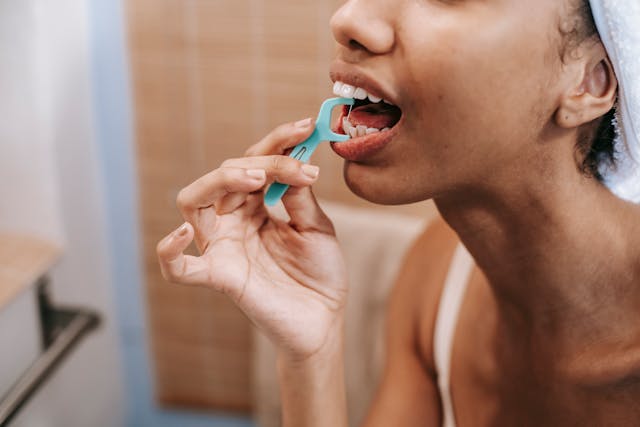

When Should Kids Start Flossing? A Parent’s Guide to Flossing Early

August 7th, 2026

Many parents know that brushing is important, but flossing is often overlooked in young children. Once teeth begin touching each other, brushing alone cannot fully clean the spaces between them where plaque and food particles can build up.

Starting a flossing routine early helps children build healthy habits and protects areas of the mouth that are harder to reach.


When Should Children Start Flossing?

Children should begin flossing when two teeth touch each other. This can happen at different ages depending on how quickly their teeth develop.

Some children may need help flossing as early as their toddler years, while others may not need it until more teeth come in.

The important thing is not the exact age, but whether there are spaces where a toothbrush cannot reach.


Why Flossing Matters for Kids

Removes plaque between teeth

Toothbrushes clean the front, back, and chewing surfaces of teeth, but they cannot always reach tight spaces between teeth. Floss helps remove buildup in these areas.

Helps prevent cavities

Many childhood cavities begin between teeth where plaque can remain unnoticed. Daily flossing helps lower the risk of decay in these hard-to-clean spots.

Supports healthy gums

Flossing removes food and bacteria along the gumline, helping prevent irritation and inflammation.


How Parents Can Help

Young children usually do not have the coordination needed to floss effectively on their own. Parents should help with flossing until children can properly control the movements themselves.

Tips for making flossing easier:

  • Use child-friendly flossers if traditional floss is difficult
  • Make flossing part of the bedtime routine
  • Be gentle to avoid irritating the gums
  • Praise consistency instead of focusing on perfection

Making it a normal part of daily care helps children accept flossing as just another step in keeping their smile healthy.


When Can Kids Floss on Their Own?

Most children develop the hand skills needed to floss independently around the same time they can tie their shoes or write neatly. Until then, parents should continue helping to make sure all areas are cleaned properly.

Even when children start flossing on their own, parents should check their technique and encourage consistency.


Common Flossing Mistakes

Some common mistakes that can make flossing less effective include:

  • Only flossing when food is stuck
  • Skipping back teeth
  • Moving too quickly between teeth
  • Stopping when gums bleed slightly at first

Mild bleeding can happen when flossing begins due to inflammation, but regular flossing should help improve gum health over time.


When to Ask Your Dentist

Talk with your child’s dentist if you have questions about flossing, especially if:

  • Teeth are very close together
  • Your child struggles with flossing
  • Gums frequently bleed or appear swollen
  • Cavities develop between teeth

Your dentist can recommend the best tools and techniques for your child’s smile.


Flossing is a small habit that can make a big difference in your child’s oral health. Starting early helps children develop routines that protect their teeth and gums for years to come.

Flossing Fun: How to Make It a Habit Before School’s Out

May 23rd, 2025

As summer approaches and school winds down, routines start to shift — later bedtimes, weekend adventures, and vacations can disrupt even the best brushing habits. That’s why now is the perfect time to reinforce one of the most often-overlooked parts of a healthy dental routine: flossing!

Many parents know that brushing twice a day is essential, but flossing is just as important. It removes food particles and plaque between teeth where toothbrushes can't reach. Without it, kids are more likely to develop cavities and gum inflammation, even if they brush well. But don’t worry — with a little creativity and consistency, flossing can become a fun daily habit before summer begins!

Why Kids Resist Flossing (and How to Help)

Let’s face it: flossing can feel boring, tricky, or just unfamiliar for little hands. But here’s how to turn flossing from a chore into something your child wants to do:

1. Make It a Game

Turn flossing into a fun countdown or challenge. Try saying, “Let’s see if you can floss all your teeth before this song ends!” or create a weekly floss chart with stickers and small rewards.

2. Use Kid-Friendly Tools

Kid-sized floss picks with fun colors or characters can make all the difference. They’re easier to hold and less intimidating than traditional floss.

3. Floss Together

Model the habit! When kids see their parents flossing, they’re more likely to pick it up themselves. Make it part of a shared nighttime routine.

4. Involve Storytime or Songs

Combine flossing with bedtime stories or play a short “toothbrush and floss” dance video. Associating flossing with something positive helps it feel routine.

5. Celebrate Progress

Use a calendar to track flossing days and offer a non-sugary reward at the end of each week. A new toothbrush, glow-in-the-dark flossers, or a dental-themed book are great motivators.

Why Start Before School’s Out?

When summer hits, many families fall into less-structured routines. Starting now ensures flossing is already a habit before vacations, sleepovers, and camps begin. It gives your child time to adjust, ask questions, and practice with your support.

Flossing + Checkup = Summer Smile Success

Add a spring dental checkup to the mix and your child will start summer with a healthy, confident smile. At Huntington Smiles, we’re happy to help you teach proper flossing technique during your visit — just ask!

Final Tip: Consistency Beats Perfection

Don’t worry if you miss a night or your child struggles with technique. The goal is to build a positive routine that sticks over time. Start now, keep it light and fun, and your child’s smile will thank you!

The Importance of Flossing

June 7th, 2024

Did you know that only 30% of Americans floss? 

If you’re one of the 70% of Americans who do not, it’s time to get started. Flossing is one of the most important parts of a dental hygiene routine, and it’s essential to ensuring you do not get cavities. Here are some reasons why you need to start flossing.

Gum Disease

Not flossing can be a huge factor in the development of gum disease. When you floss properly, dental plaque that is hidden below the gum line gets picked up. When this type of plaque builds up, it can lead to gingivitis and tooth loss. An early sign of this disease includes bleeding gums, so if you notice that, be sure to start flossing.

Brushing is not 100% effective

Toothbrushes can’t reach everywhere, especially not below the gum line, as we mentioned before. In fact, brushing only covers a third of the total tooth surface area in your mouth, and that means there’s a lot of space for cavities to develop. Flossing and rinsing your mouth with a proper mouthwash can help prevent this plaque build up.

Other Diseases

Researchers have found a strong statistical link between gum disease and heart disease, as gum disease can leave your body more vulnerable to blood-borne infections, leading to inflammatory diseases. Though this is not a conclusive fact, flossing can be an important routine that will positively impact your overall health.

Tips & Things to Know

  • Make sure your child starts a healthy dental hygiene routine at an early age- begin flossing their teeth as soon as their first two teeth touch. 
  • Use 12-18 inches of floss.
  • Be gentle with children’s teeth.
  • Floss both sides and try to hit below the gum line.
  • It’s never too late to start!

Contact Us!